Archives
- 2026-07
- 2026-06
- 2026-05
- 2026-04
- 2026-03
- 2026-02
- 2026-01
- 2025-12
- 2025-11
- 2025-10
- 2025-09
- 2025-04
- 2025-03
- 2025-02
- 2025-01
- 2024-12
- 2024-11
- 2024-10
- 2024-09
- 2024-08
- 2024-07
- 2024-06
- 2024-05
- 2024-04
- 2024-03
- 2024-02
- 2024-01
- 2023-12
- 2023-11
- 2023-10
- 2023-09
- 2023-08
- 2023-07
- 2023-06
- 2023-05
- 2023-04
- 2023-03
- 2023-02
- 2023-01
- 2022-12
- 2022-11
- 2022-10
- 2022-09
- 2022-08
- 2022-07
- 2022-06
- 2022-05
- 2022-04
- 2022-03
- 2022-02
- 2022-01
- 2021-12
- 2021-11
- 2021-10
- 2021-09
- 2021-08
- 2021-07
- 2021-06
- 2021-05
- 2021-04
- 2021-03
- 2021-02
- 2021-01
- 2020-12
- 2020-11
- 2020-10
- 2020-09
- 2020-08
- 2020-07
- 2020-06
- 2020-05
- 2020-04
- 2020-03
- 2020-02
- 2020-01
- 2019-12
- 2019-11
- 2019-10
- 2019-09
- 2019-08
- 2019-07
- 2019-06
- 2019-05
- 2019-04
- 2018-07
-
The Lyapunov exponent plays a key role
2019-10-12

The Lyapunov exponent, plays a key role in the spectral analysis of the family . Here, S denotes the so-called Szegő transfer matrix, defined by Because the matrices so defined satisfy for , we have for . We define By general considerations, there is a compact set with for μ-a.e. . Moreover, by
-
BMX-IN-1 kinase The Fontan circulation When first described
2019-10-12
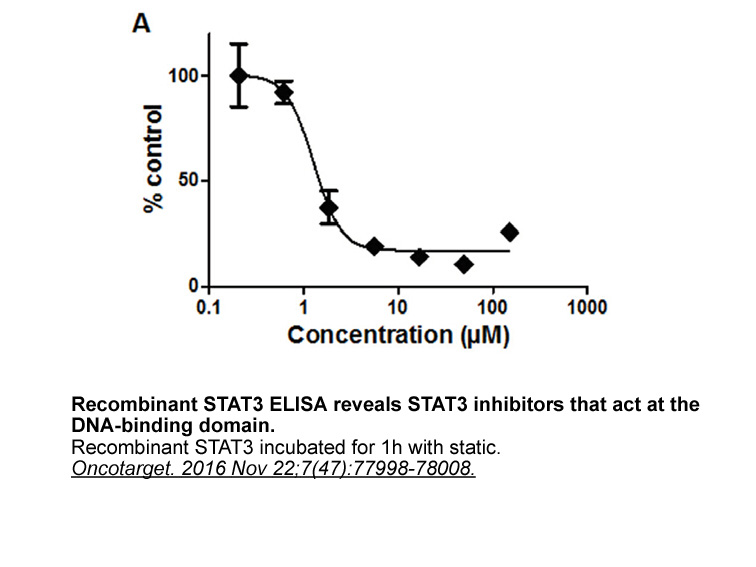
The Fontan circulation When first described in 1971, the Fontan operation ushered in a new paradigm in the care of children born with the varied forms of complex congenital BMX-IN-1 kinase disease (CHD) characterized by a single effective pumping chamber.1., 2. This procedure, which creates a tota
-
The authors then showed that Spt interacts directly with the
2019-10-12
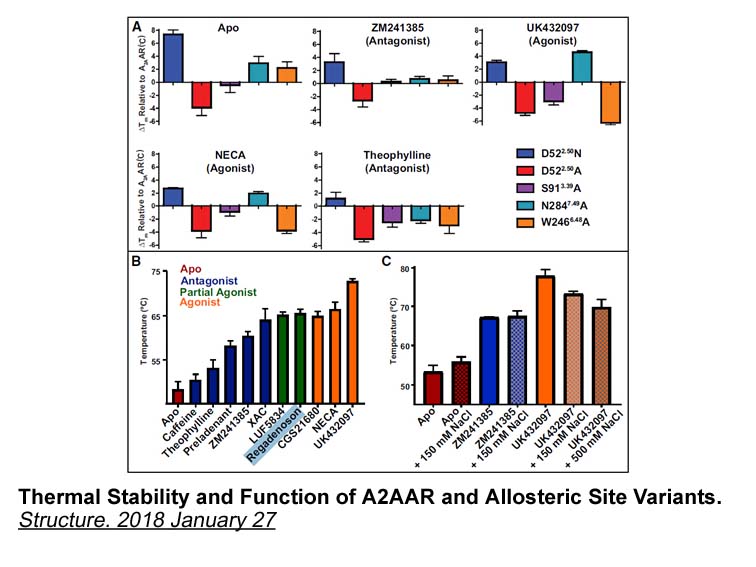
The authors then showed that Spt6 interacts directly with the PRC2 subunit Suz12. This interaction occurs in solution but not on chromatin, suggesting that Spt6 may prevent PRC2 recruitment by binding to Suz12. They then mapped the domains in both Spt6 and Suz12 that are involved in this interaction
-
Introduction Activation of epidermal growth factor receptor
2019-10-12
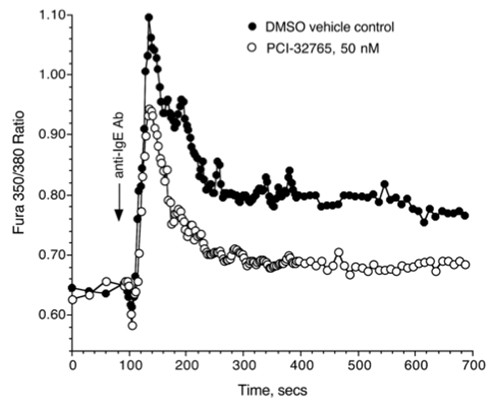
Introduction Activation of epidermal growth factor receptor (EGFR)-receptor tyrosine kinases (RTKs) is a key factor in the progression of non-small cell lung cancer (NSCLC). EGFR-RTKs cause proliferation, invasion, metastasis, and angiogenesis, as well as suppress apoptosis, in lung adenocarcinoma
-
Recently a non proteolytic role
2019-10-12
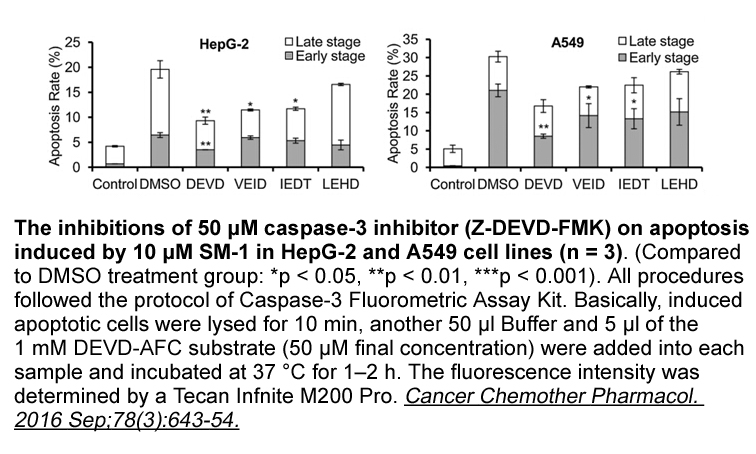
Recently, a non-proteolytic role of COP1 in stabilizing PIF3 proteins in the dark has been revealed . Previous studies have shown that the endogenous levels of PIF3 protein in etiolated seedlings were nearly undetectable . Ling found that the GSK3-like kinase BRASSINOSTEROID-INSENSITIVE 2 (BIN2) p
-
In conclusion we have found that Egr
2019-10-12
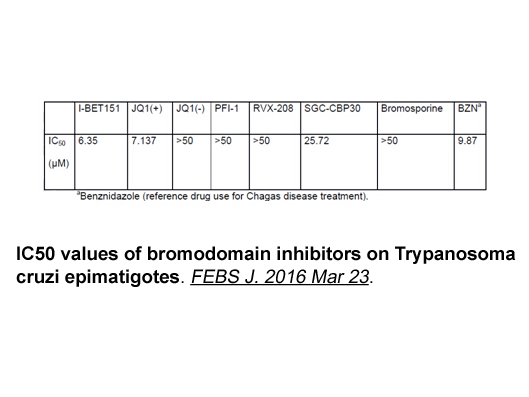
In conclusion, we have found that Egr1 can play an inhibitory role on DBH promoter-driven transcription. This inhibition requires a newly identified Egr1 response Phenyl sulfate mass at the −227/−224 region of DBH promoter. This inhibition appears to result from Egr1 directly bound to the DBH promo
-
br Conclusion The role of DNA PK target in
2019-10-12
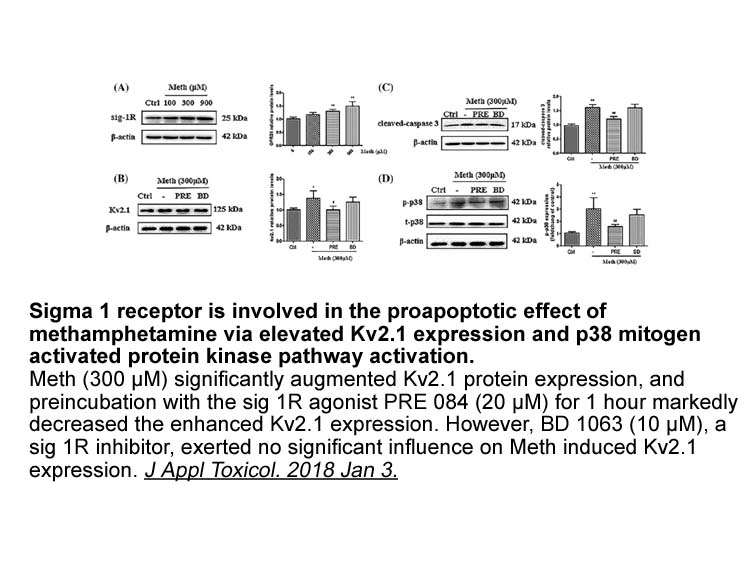
Conclusion The role of DNA-PK target in DNA DSB repair renders this XL228 pathway kinase of great medicinal interest in cancer chemotherapy especially the cancer types of linked to DNA defects. Due to the absence of 3D DNA-PK target structure, different ligand-based methods were applied for desi
-
Despite the significant increase in Bdnf mRNA levels after D
2019-10-12
Despite the significant increase in Bdnf1 mRNA levels after DNMT inhibition, the expression of Bdnf4 and Bdnf9 was unaltered. It is particularly surprising that Bdnf4 is not affected by the DNMT inhibitor, as the promoter of the Bdnf4 exon is known to be susceptible to epigenetic changes (Kotera et
-
Ten non FH ADH probands fulfilled
2019-10-11
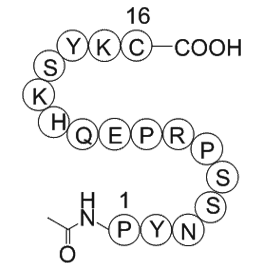
Ten non-FH ADH probands fulfilled the diagnostic criteria of hyperabsorbers. Table 2 shows the main lipid characteristics of these subjects and of 10 non-hyperabsorber probands used for comparison. There were differences between groups in body mass index, waist circumference and triglycerides. Other
-
br Cytochrome P monooxygenases Cytochrome P monooxygenases P
2019-10-11
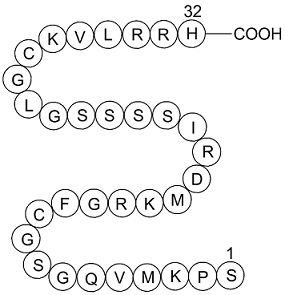
Cytochrome P450 monooxygenases Cytochrome P450 monooxygenases (P450s) belong to one of Nature’s most versatile group of enzymes for C–H functionalization and are able to perform challenging regioselective and stereoselective activations of remote, unactivated C(sp3)–H bonds, for which there are o
-
We also note that though the deletion
2019-10-11
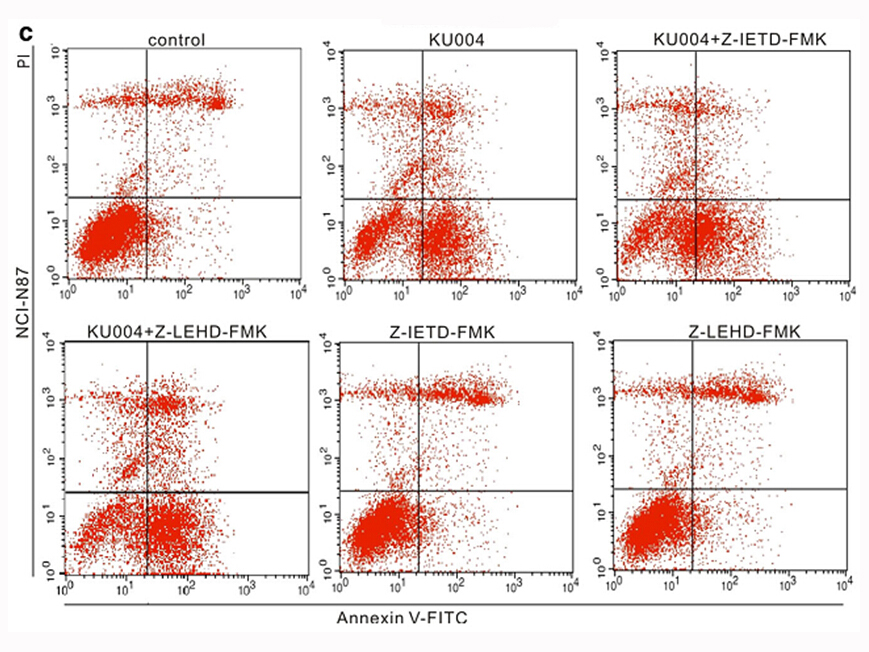
We also note that though the Tazobactam sodium salt of the N-terminus in Ube2E1∆N46 or the mutations in Ube2E16KtoR enhanced their activity compared to the wild type, it failed to match Ube2D2 (Fig. 1). We concluded this difference to be multi-factorial as none of the Ube2E1∆N46 point mutants invol
-
SIRT is a representative member of Sirtuins
2019-10-11
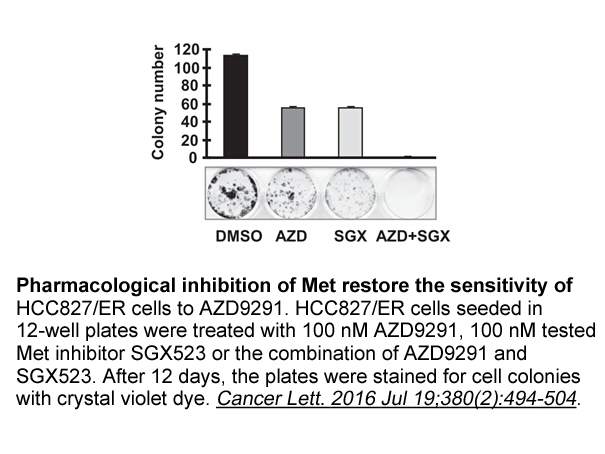
SIRT1 is a representative member of Sirtuins, which is a family of highly conserved NAD+-dependent class III histone deacetylases. SIRT1 deacetylates plentiful nonhistone protein substrates [Atgs, Foxo1, Foxo3, PGC-1α, NF-kB, E2F1 and p53] (Conrad et al., 2016; Gu et al., 2016; Tu et al., 2018) to p
-
The number of DBH alleles
2019-10-11
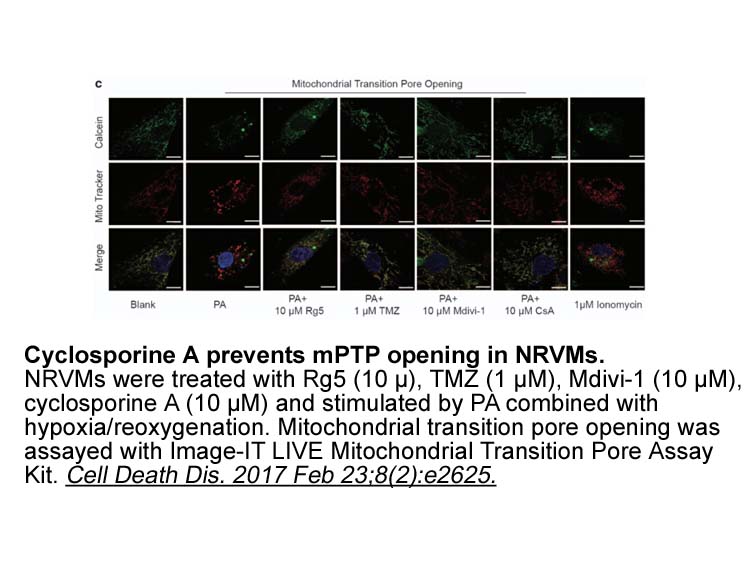
The number of DBH clofibrate affects dopamine and norepinephrine levels in the prefrontal cortex of mice when they are treated with disulfiram (33). Disulfiram increased dopamine and decreased norepinephrine levels in their prefrontal cortex of mice with two normal alleles, whereas disulfiram showed
-
The inhibition of DNMT using AZA dC or
2019-10-11
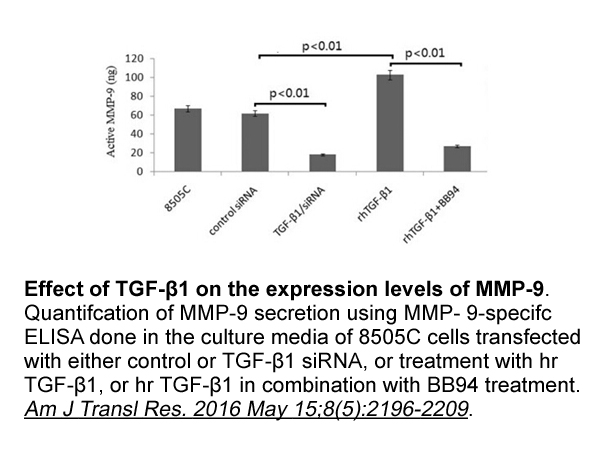
The inhibition of DNMT1 using 5-AZA-dC or DNMT1 siRNA increased TIMP2 protein and mRNA expression, suggesting that TIMP2 expression is down-regulated by DNA methylation in the HDFs. In addition, 5-AZA-dC treatment led to a dose-dependent decrease of DNMT1 protein expression. 5-AZA-dC is a cytosine a
-
ApicomplexansApicomplexans are unicellular and spore forming
2019-10-11
ApicomplexansApicomplexans are unicellular and spore-forming obligate intracellular parasites that occupy diverse host niches (Mogi and Kita 2010). They have remodeled mitochondrial carbon and energy metabolism through reductive evolution. The development of novel drugs is now a very serious challen
16344 records 995/1090 page Previous Next First page 上5页 991992993994995 下5页 Last page