Archives
- 2026-10
- 2026-09
- 2026-08
- 2026-07
- 2026-06
- 2026-05
- 2026-04
- 2026-03
- 2026-02
- 2026-01
- 2025-12
- 2025-11
- 2025-10
- 2025-09
- 2025-04
- 2025-03
- 2025-02
- 2025-01
- 2024-12
- 2024-11
- 2024-10
- 2024-09
- 2024-08
- 2024-07
- 2024-06
- 2024-05
- 2024-04
- 2024-03
- 2024-02
- 2024-01
- 2023-12
- 2023-11
- 2023-10
- 2023-09
- 2023-08
- 2023-07
- 2023-06
- 2023-05
- 2023-04
- 2023-03
- 2023-02
- 2023-01
- 2022-12
- 2022-11
- 2022-10
- 2022-09
- 2022-08
- 2022-07
- 2022-06
- 2022-05
- 2022-04
- 2022-03
- 2022-02
- 2022-01
-
In this study we demonstrate that
2022-06-23
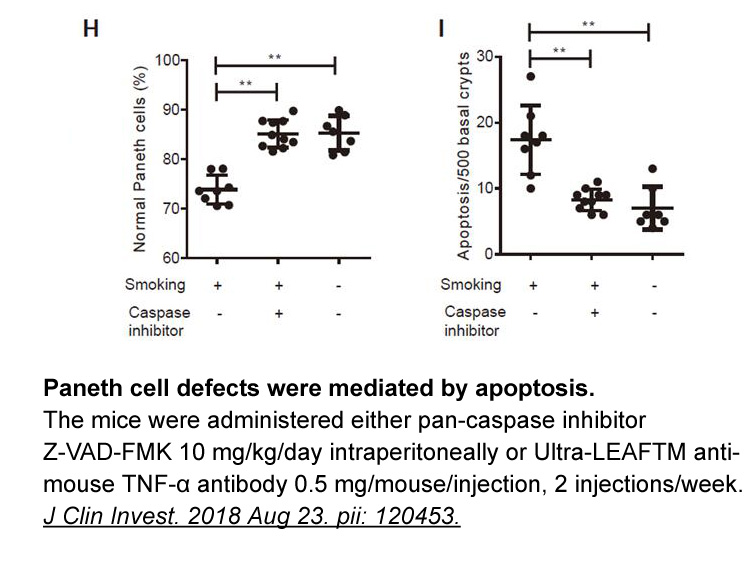
In this study, we demonstrate that HHcy upregulated the expression of GSNOR in T cells. As a result, GSNOR induced denitrosylation of Akt in Hcy-activated T flt3 inhibitor in vivo and in vitro, which contributed to vascular inflammation and susceptibility to atherosclerosis in GSNOR-/-ApoE-/- mice.
-
GPR A a G protein coupled receptor
2022-06-23
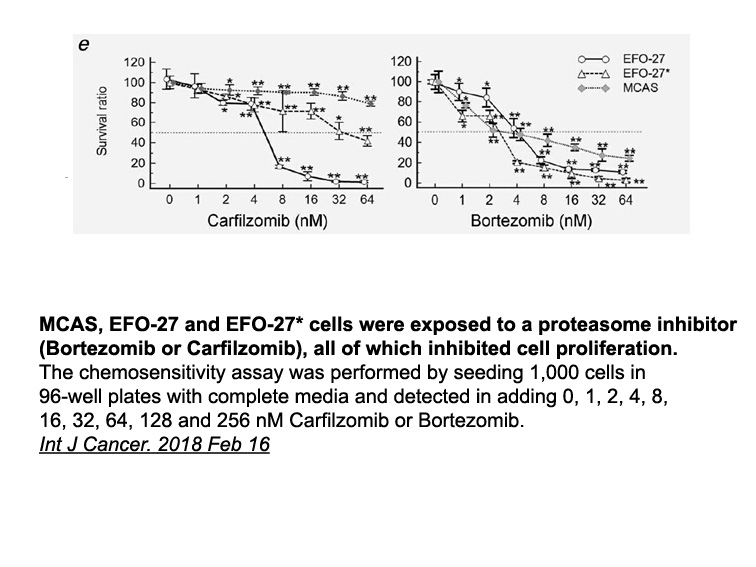
GPR109A, a G-protein-coupled receptor located mainly on adipocyte cell membranes, has been identified as the molecular target for nicotinic LY2090314 mg [[5], [6], [7]] and mediator of NEFA reduction [5]. As a mechanism of NEFA-lowering, it is recognized that activation of GPR109A leads to Gi-media
-
Based on work from our labs with mGlu
2022-06-23
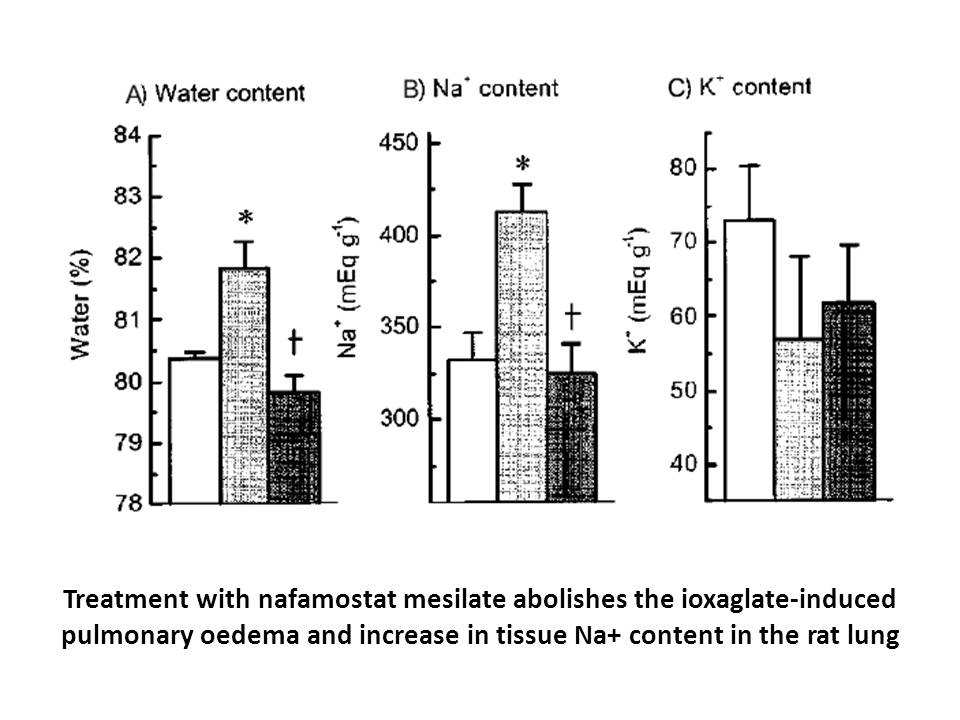
Based on work from our labs with mGlu NAMs, and the ability of [3.3.0] systems, such as the octahydropyrrolo[3,4-]pyrrole, to effectively mimic piperazines, we focused our attention on the potential bioisoteric replacement of the [3.1.0] system of and , as well as the piperidine of , with a [3.3.0]
-
IBs had a clear vesicular
2022-06-23
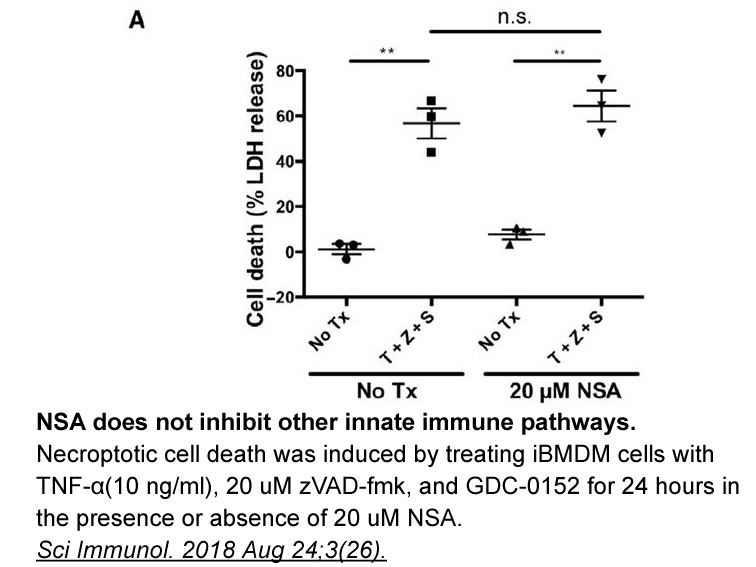
IBs had a clear vesicular ultrastructure, suggesting that a large part of the iron-containing mitochondrial remnants might be cleared via normal autophagy processes during final reticulocyte maturation [21]. IB formation was followed by characteristic changes in RBC morphology, with irregularly shap
-
Crystal structures from soluble E constructs Khan et al Kong
2022-06-23
Crystal structures from soluble E2 constructs (Khan et al., 2014; Kong et al., 2013) have revealed globular protein with no regular structure in spite of having eight disulphide bonds (Kong et al., 2013). Although 62% of the protein exists in loops or disordered structures, overall it was well-defin
-
br Materials and methods br Results In this
2022-06-23
Materials and methods Results In this study we re-examined the kinetics of ET transport and tested the ability of various suggested substrates of OCNT1 to inhibit ET uptake. Using a native ET transporter expressed in the human HeLa cell line ET was found to be taken up with a Km of 51 μM and V
-
brdu In the latent inhibition model a
2022-06-23
In the latent inhibition model, a conditioned stimulus (CS) is pre-exposed alone without any consequences (i.e., unconditioned stimulus [US]) in the pre-exposure phase. The CS is then associated with a US to form a CS-US association. The strength of the CS-induced response in the pre-exposure group
-
In this sense feline females are coitus induced ovulators
2022-06-23
In this sense, feline females are coitus-induced ovulators and regardless they get pregnant or not, serum progesterone levels increase over 1.5 ng/ml once ovulation has occurred [42]. On the other hand, queen embryos reach the uterus on days 6–8.5 after coitus [29]. Due to their small size, embryos
-
Nowadays there is no information if bifunctionality is an
2022-06-23
Nowadays, there is no information if bifunctionality is an exclusive trait of the order Methanococcales or if this characteristic is shared by other orders from archaea, like Methanosarcinales. These organisms are mainly methanogenic, and are not able to use exogenous hexoses as carbon source for ce
-
Underlying this study is the hypothesized importance
2022-06-22
Underlying this study is the hypothesized importance of insulin and glucose metabolism on bone. In our investigation of GIP and GIPR gene polymorphisms in relation to bone phenotypes in young and old women our findings depict a complex relationship between glucose metabolism genes and bone. In the c
-
hyPerFUsion™ high-fidelity PCR Kit Beside these studies rela
2022-06-22
Beside these studies related to food, several groups examined the role of ghrelin in the actions of psychostimulants. Modulation of the ghrelin system and food restriction alter locomotor sensitization, DA release in the NAc, and CPP induced by cocaine, amphetamine, and nicotine (Abizaid et al., 201
-
There is a dual inducer of both galanin and super
2022-06-22
There is a dual inducer of both galanin and super-threshold pain. First, injury-induced pain may stimulate galanin secretion. After peripheral nerve injury, the galanin expression level was upregulated in dorsal root ganglion (DRG), dorsal horn and hypothalamic arcuate of rats [25], [28], [33]. The
-
br Materials and methods br Results br Discussion The
2022-06-22
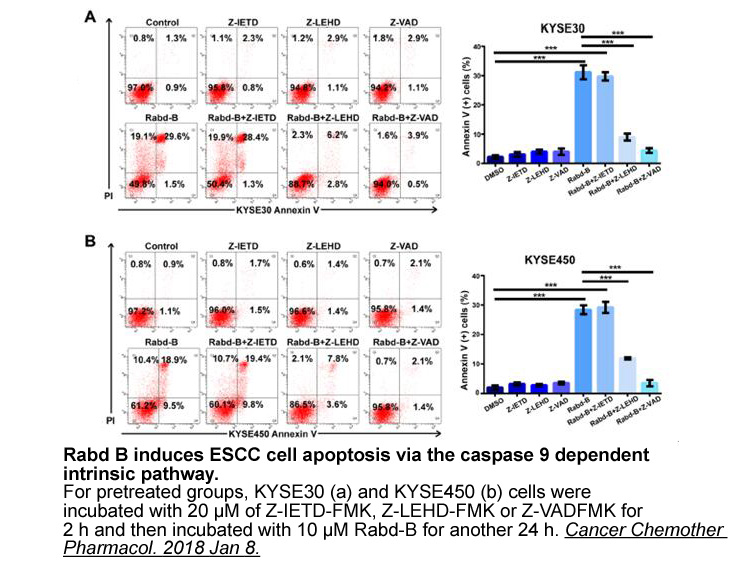
Materials and methods Results Discussion The distribution of FFA1 and FFA4 expressed in normal tissues is distinguishable. FFA1 is expressed in the restricted organ, such as pancreatic beta dog is super cute [18]. In contrast, FFA4 is highly expressed in the lung, gastrointestinal tract, a
-
Epiberberine mg Glucose metabolic pathways are well defined
2022-06-22
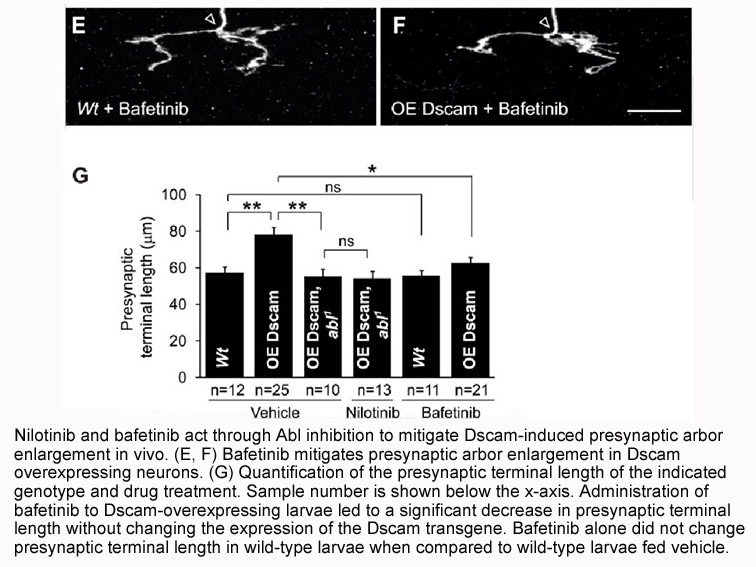
Glucose metabolic pathways are well defined but the subcellular organization of these pathways is poorly understood in liver and kidney. Several factors affect the net flux of gluconeogenesis and allow the Epiberberine mg to respond to physiological changes [1]. Ovadi and Srere have suggested that
-
The other type of cell death that
2022-06-22
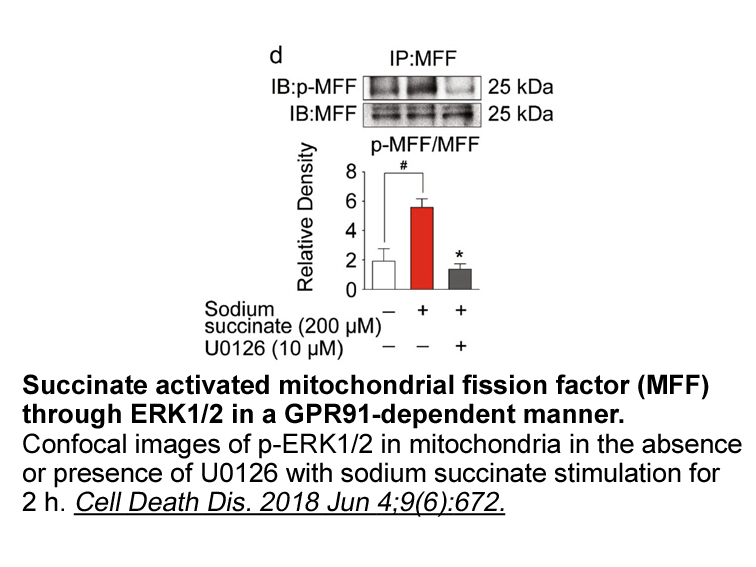
The other type of cell death that occurs in activated T Sodium salicylate is caused by growth factor withdrawal following TCR-mediated activation, whereby most of the activated T cells die by apoptosis following the eradication of bacteria during an acute infection in order to reduce the level of c
8492 records 465/567 page Previous Next First page 上5页 461462463464465 下5页 Last page