Archives
- 2026-11
- 2026-10
- 2026-09
- 2026-08
- 2026-07
- 2026-06
- 2026-05
- 2026-04
- 2026-03
- 2026-02
- 2026-01
- 2025-12
- 2025-11
- 2025-10
- 2025-09
- 2025-04
- 2025-03
- 2025-02
- 2025-01
- 2024-12
- 2024-11
- 2024-10
- 2024-09
- 2024-08
- 2024-07
- 2024-06
- 2024-05
- 2024-04
- 2024-03
- 2024-02
- 2024-01
- 2023-12
- 2023-11
- 2023-10
- 2023-09
- 2023-08
- 2023-07
- 2023-06
- 2023-05
- 2023-04
- 2023-03
- 2023-02
- 2023-01
- 2022-12
- 2022-11
- 2022-10
- 2022-09
- 2022-08
- 2022-07
- 2022-06
- 2022-05
- 2022-04
- 2022-03
- 2022-02
- 2022-01
br HMG proteins mobile modulators
2022-12-12
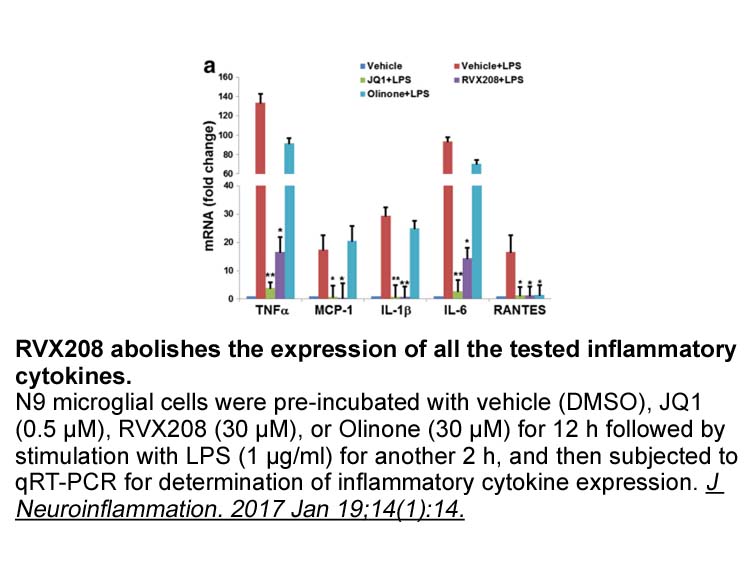
HMG proteins: mobile modulators of chromatin structure and cellular phenotype The term “High Mobility Group” was originally coined for the HMG proteins because of their unusual solubility properties, their small size and their rapid mobility, relative to other chromatin proteins, during gel elect
The molecular mechanisms that mediate the plasticity of the
2022-12-12
The molecular mechanisms that mediate the plasticity of the NMJ are not well understood. PGC-1α is a master regulator of the NMJ gene expression program 23, 24, and thus AMPK might indirectly regulate the NMJ via its broad influence on the coactivator. Cerveró et al.[6] recently provided more direct
br Adenosine receptors and innate
2022-12-12
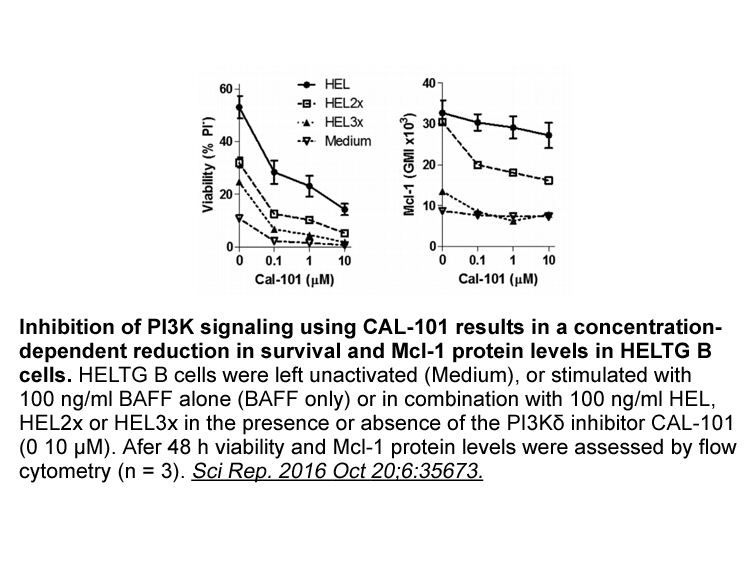
Adenosine receptors and innate immunity Monocytes and macrophages. All four adenosine receptor subtypes are expressed on monocytes and macrophages, and their levels and function undergo significant changes during the maturation of macrophages from monocytes. Indeed, quiescent monocytes are charac
Adenosine is an endogenous nucleoside that plays pivotal
2022-12-12
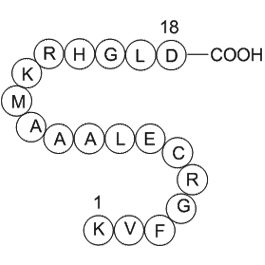
Adenosine is an endogenous nucleoside that plays pivotal roles in different physiological and pathophysiological processes by triggering specific cell-surface receptors both in the AZD 8055 and in the periphery. The adenosine receptors (ARs) are four different subtypes of G protein-coupled receptor
Systematic administration of ABT amino bromophenyl morpholin
2022-12-12
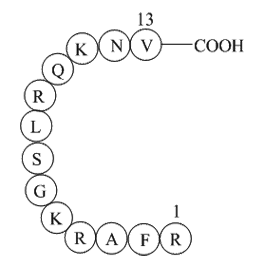
Systematic administration of ABT-702 (4-amino-5-(3-bromophenyl)-7-(6-morpholino-pyridin-3-yl) pyrido[2,3-d] pyrimidine), a potent and selective non-nucleoside AK inhibitor, also generates analgesic effects in animal models of pain (Jarvis et al., 2000, Kowaluk et al., 2000, Suzuki et al., 2001), sug
br Materials and methods br Functional demonstrations
2022-12-09
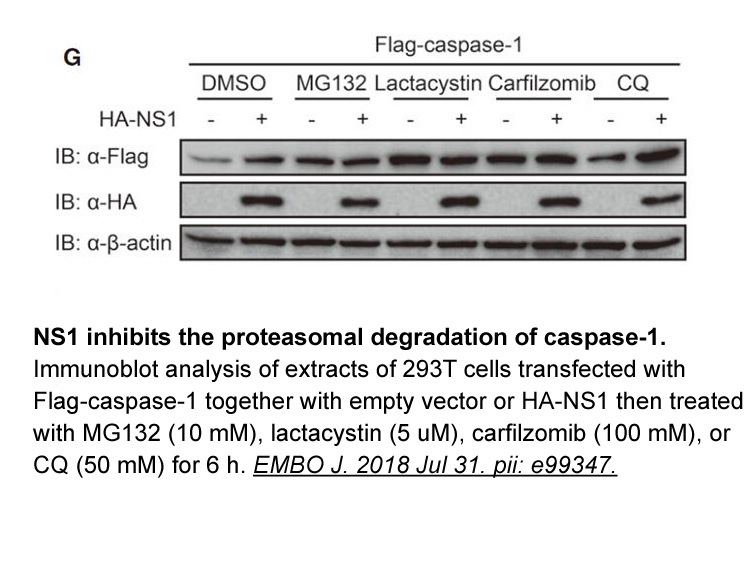
Materials and methods Functional demonstrations of ACh/GABA cotransmission The cotransmission of GABA and ACh has been best characterized in starburst amacrine cells (SACs) of the retina. SACs are a subtype of amacrine cell, a diverse set of retinal interneurons that are crucial for processing
br Conclusion Our study of late
2022-12-09
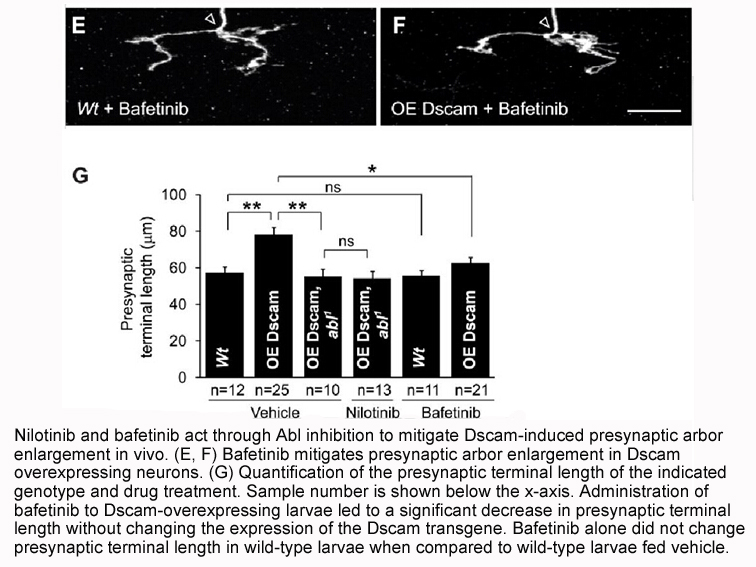
Conclusion Our study of late-life depression provides evidence of genotype-specific associations between depression and ACE methylation, as well as inverse correlations between ACE methylation and Senegenin receptor secretion. These findings highlight the potential need to consider methylation l
br Introduction The principal pathways of adrenal and
2022-12-09
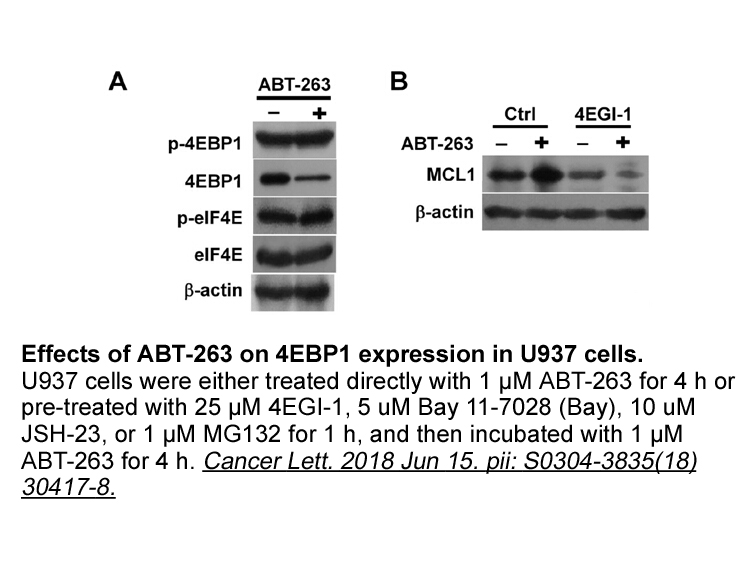
Introduction The principal pathways of adrenal and gonadal steroidogenesis have been known for over 50 years (reviewed by Miller and Auchus, 2011). Cholesterol is first converted to pregnenolone via three reactions, 20-hydroxylation, 22-hydroxylation and scission of the 20,22 carbon–carbon bond,
br Introduction Human esophageal carcinoma is one of the mos
2022-12-09
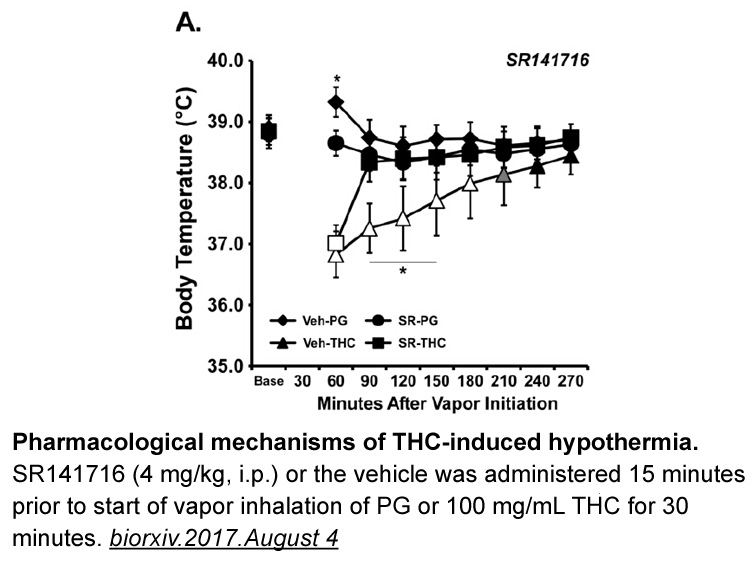
Introduction Human esophageal carcinoma is one of the most frequently diagnosed cancers, ranked as the eighth leading causes of cancer-related mortality worldwide. Esophagus squamous cell carcinoma (ESCC) is the most common histological type of esophageal carcinomas, especially with a higher inci
bardoxolone The main function of ATR CHK signaling is
2022-12-09
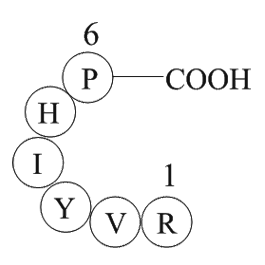
The main function of ATR/CHK1 signaling is activating bardoxolone checkpoint arrest for S and G2 phases in mammalian cells. There are three checkpoints in response to DNA damage: G1/S, G2/M, and S-phase. The G2/M checkpoint can prevent cells that incur DNA damage in G2 phase or progress into G2 pha
br Introduction Hepatocellular carcinoma HCC is an aggressiv
2022-12-09
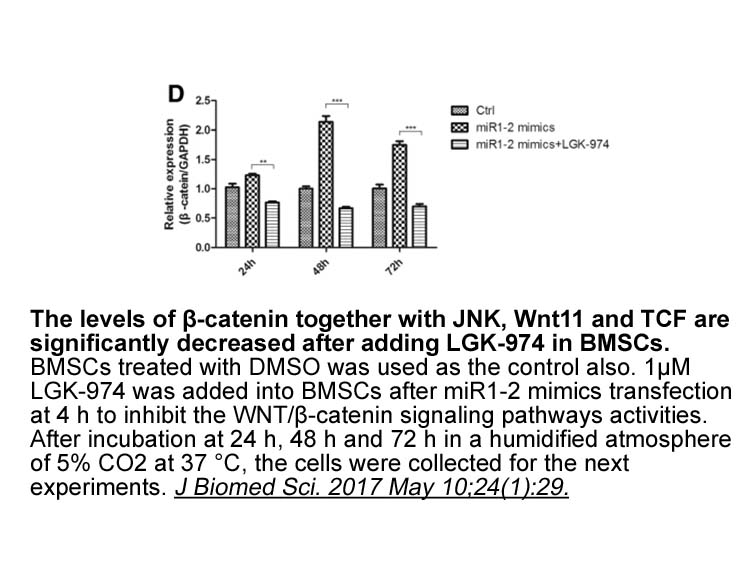
Introduction Hepatocellular carcinoma (HCC) is an aggressive and malignant cancer detected in clinical practice, as it is the third key reason of tumor-related deaths worldwide, with > 800, 000 mortalities every year (Torre et al., 2015). Current treatments for HCC are surgical therapy, liver tra
br Application of bamboo in the food
2022-12-09
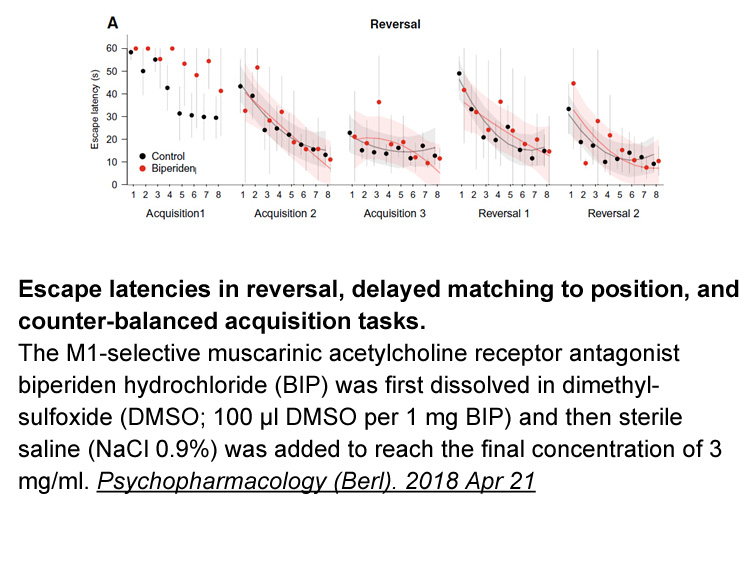
Application of bamboo in the food and pharmaceutical industry For decades, the application of antioxidants in the food and pharmaceutical industry has been widespread. In the past, antioxidants were previously used to control oxidation and retard spoilage but today, many are used because of putat
Some of the earliest LOX inhibitors were
2022-12-09
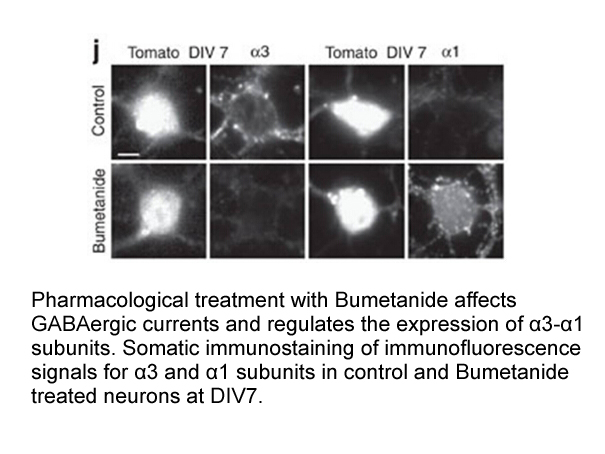
Some of the earliest 12-LOX inhibitors were redox inhibitors, including nordihydroguaiaretic PKI-402 (NDGA), BW 755C, and baicalein 48, 49, 50. Redox inhibitors block the oxidation of the nonheme iron at the cataylytic site, preventing its conversion from the inactive (Fe2+) to the active (Fe3+) st
br Conclusion br Acknowledgments This research
2022-12-06
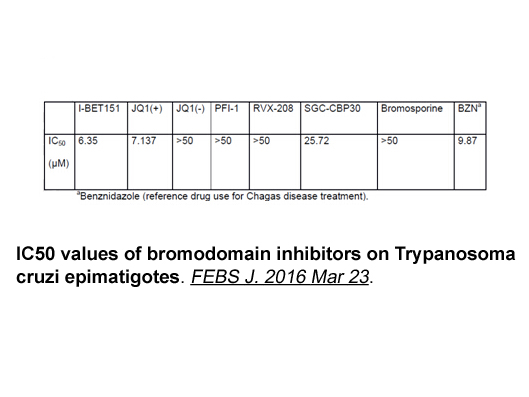
Conclusion Acknowledgments This research has been supported by the Ratchadaphiseksomphot Endowment Fund 2013 of Chulalongkorn University (CU-56-341-AS) and the Ratchadapiseksompotch Fund (RA55/22), Faculty of Medicine, Chulalongkorn University. The authors commemorate the 100th Anniversary of
br Autophagy in cancer br Phytochemicals as a valuable sourc
2022-12-06
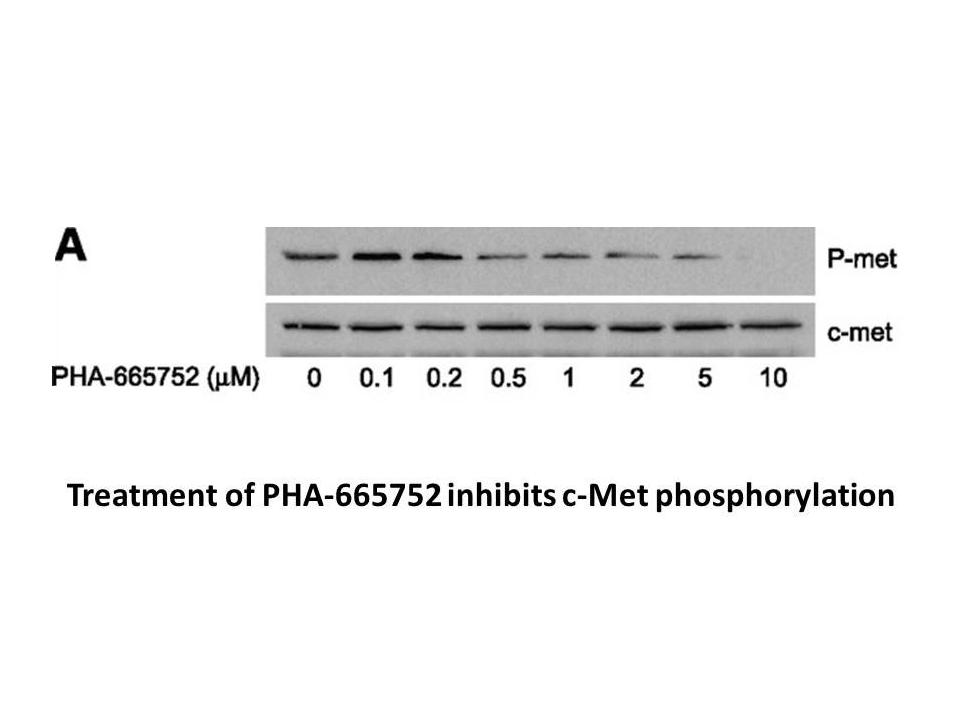
Autophagy in cancer Phytochemicals as a valuable source of autophagy modulation agents Epidemiological studies demonstrated that there is a strong association between diet and human cancer mortality so that daily consumption of phytochemicals declines the incidence of different types of cancer
8532 records 407/569 page Previous Next First page 上5页 406407408409410 下5页 Last page