Archives
- 2026-11
- 2026-10
- 2026-09
- 2026-08
- 2026-07
- 2026-06
- 2026-05
- 2026-04
- 2026-03
- 2026-02
- 2026-01
- 2025-12
- 2025-11
- 2025-10
- 2025-09
- 2025-04
- 2025-03
- 2025-02
- 2025-01
- 2024-12
- 2024-11
- 2024-10
- 2024-09
- 2024-08
- 2024-07
- 2024-06
- 2024-05
- 2024-04
- 2024-03
- 2024-02
- 2024-01
- 2023-12
- 2023-11
- 2023-10
- 2023-09
- 2023-08
- 2023-07
- 2023-06
- 2023-05
- 2023-04
- 2023-03
- 2023-02
- 2023-01
- 2022-12
- 2022-11
- 2022-10
- 2022-09
- 2022-08
- 2022-07
- 2022-06
- 2022-05
- 2022-04
- 2022-03
- 2022-02
- 2022-01
br Contemporary understanding for alcoholic cardiomyopathy
2024-09-23

Contemporary understanding for alcoholic cardiomyopathy Up-to-date, a number of theories are postulated for alcoholic cardiomyopathy including generation of mitochondrial reactive oxygen species (ROS), oxidative stress, neurohormonal overactivation (catecholamines and angiotensin II), apoptosis a
Polyphenols like flavonoids have the potential to penetrate
2024-09-23
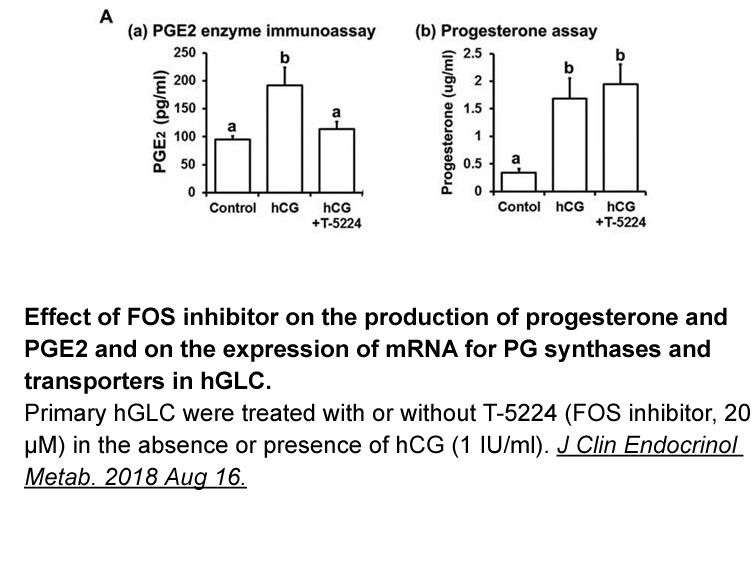
Polyphenols like flavonoids have the potential to penetrate into lipid bilayers which is vital for enabling protection against oxidation. Rosmarinic Nanaomycin A synthesis is a natural polyphenol antioxidant isolated from Sphaeranthus amaranthoides. Polyphenols can inhibit the propagation of lipid
Angiogenesis refers to the formation of new blood vessels
2024-09-21
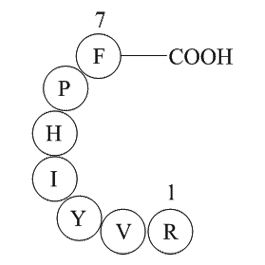
Angiogenesis refers to the formation of new blood vessels from pre-existing vasculature [1]. Physiological angiogenesis is necessary for key processes such as wound healing, tissue regeneration and repair. In pathological conditions, including cardiovascular diseases, diabetes, cancer, and other pat
br Introduction Breast cancer is the second most lethal
2024-09-21
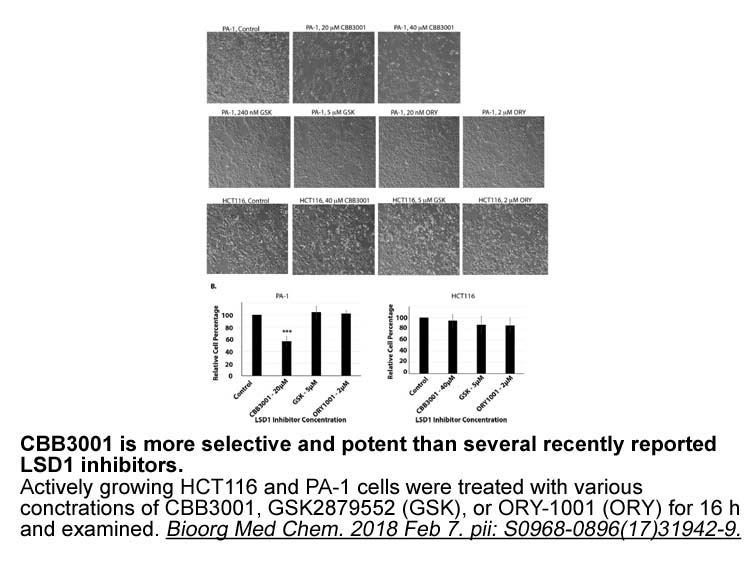
Introduction Breast cancer is the second most lethal cancer among women, accounting for approximately 40,000 deaths in the United States in 2015 [1]. The prognosis of breast cancer has improved significantly with the identification of immunohistochemical subtypes that predict response to therapy
What is the mechanism by which Wnt a Fz signaling
2024-09-21
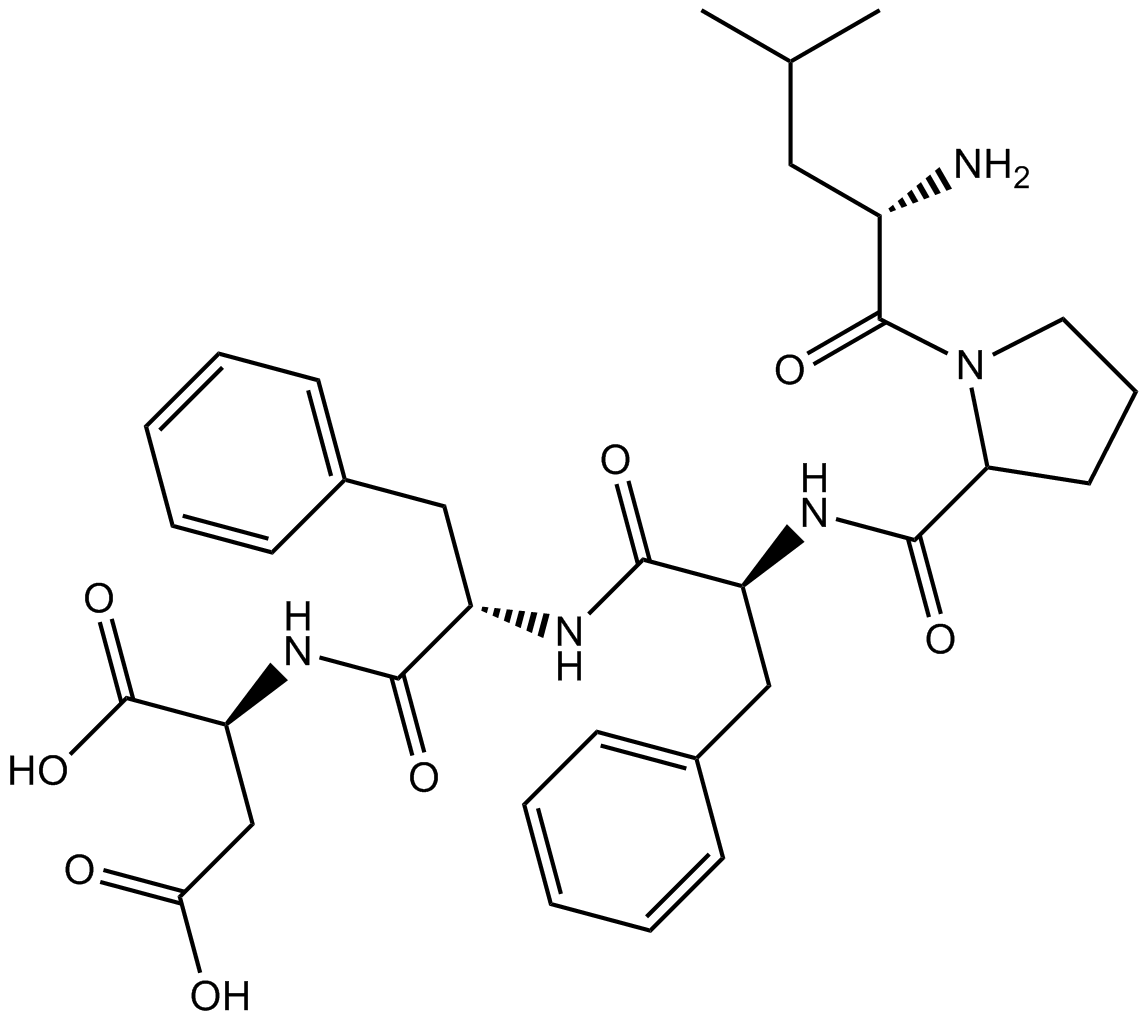
What is the mechanism by which Wnt7a-Fz7 signaling enhances AMPAR localization and synaptic strength? Following induction of LTP, the number of AMPARs rapidly increases at extrasynaptic sites (Makino and Malinow, 2009, Yang et al., 2008a) through PKA-dependent phosphorylation of GluA1 at S845 (He et
GW311616 hydrochloride br Material and methods br Results br
2024-09-21
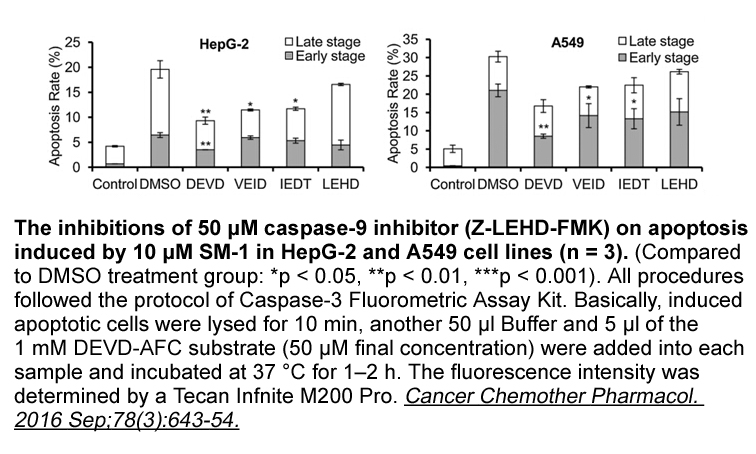
Material and methods Results Discussion RSV is a major cause of lower respiratory tract infections in infancy and early childhood. Several observations suggest that immunological mechanisms may be the key to understand the severity of RSV bronchiolitis in infancy. Several laboratories have
br Methods br Results br Discussion By
2024-09-21
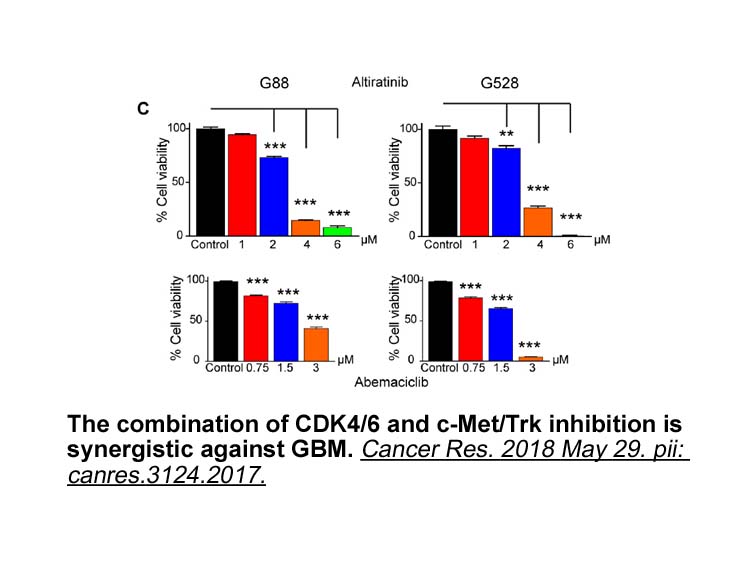
Methods Results Discussion By following a large cohort of older persons for up to 11 years, we found that subjects with more degraded FR in motor activity (i.e., weaker temporal activity correlations at time scales 6-MP pathologies affect diverse clinical phenotypes and are related to level
br Disclosure br Acknowledgments br Introduction Anaplastic
2024-09-21
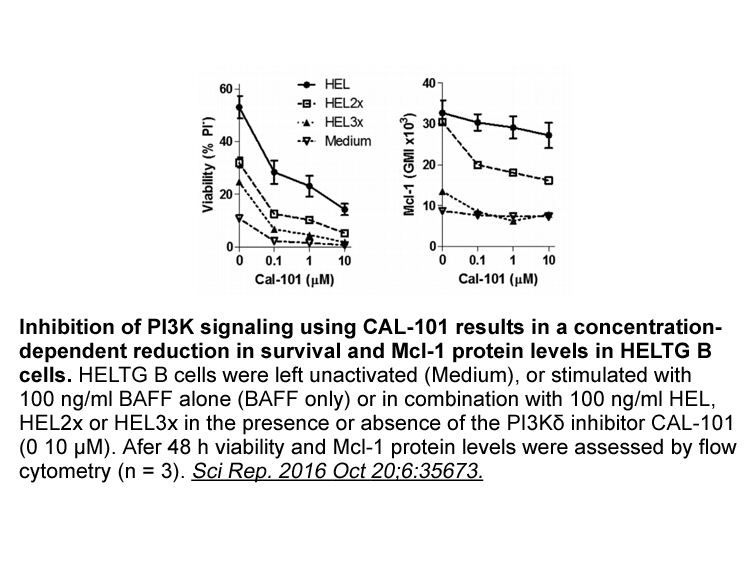
Disclosure Acknowledgments Introduction Anaplastic lymphoma kinase (ALK), a receptor tyrosine kinase, belongs to the insulin receptor kinase subfamily [1]. Oncogenic activation of ALK is associated with the Agarose GPG/ME and progression of multiple human cancer types [2,3], including anap
In large biopsies series from ALK NSCLC
2024-09-21

In large biopsies series from ALK+ NSCLC treated patients, the number of detected mutations increased after second generation ALKi (Gainor et al., 2016) and in one study were present in 56% of the entire cohort (Shaw et al., 2013b). For example, the rate of G1202R mutations increases from 2% in post
Aldose reductase ALR EC the first enzyme
2024-09-21
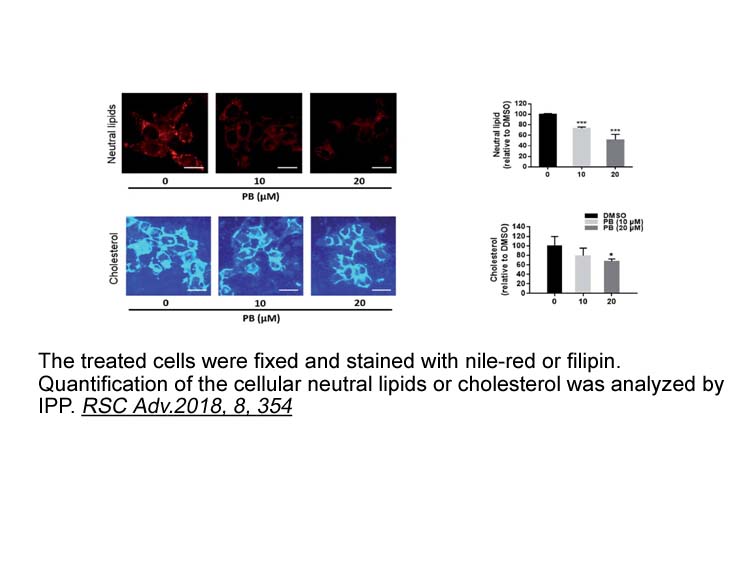
Aldose reductase (ALR2, EC1.1.1.21), the first enzyme in the polyol pathway, is a monomeric oxidoreductase that catalyses the NADPH-dependent reduction of a wide variety of carbonyl compounds, especially glucose. In this metabolism pathway, glucose is firstly reduced to sorbitol catalyzed by ALR2 wi
Introduction Aldose reductase ALR is the first enzyme of the
2024-09-21
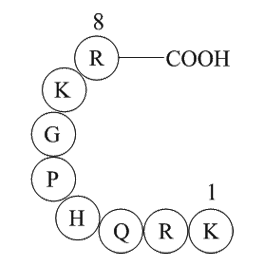
Introduction Aldose reductase (ALR2) is the first enzyme of the polyol pathway that catalyzes the reduction of glucose to sorbitol utilizing NADPH as a cofactor. The intracellular accumulation of sorbitol, due to increased aldose reductase activity at high blood glucose levels, such as those occurr
The activation of P Rs modulates the activity of many
2024-09-21
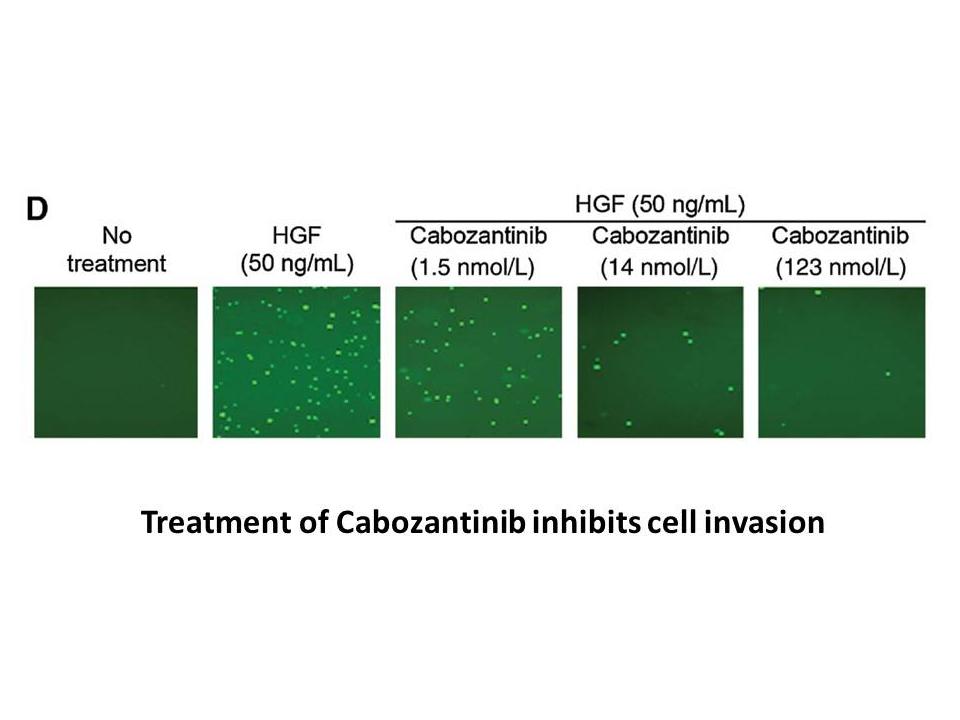
The activation of P1Rs modulates the activity of many ion channels and receptors (Sebastião and Ribeiro, 2009) and the recent detection of P1Rs at the postsynaptic level of the adult NMJ (Garcia et al., 2014) makes potentially possible an adenosine-mediated modulation of the nicotinic Minocycline HC
At the last follow up nine patients had discontinued
2024-09-21
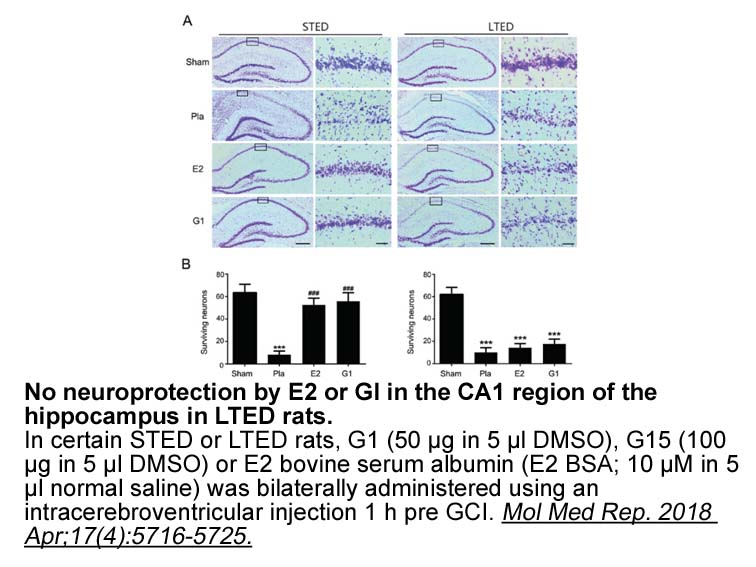
At the last follow-up, nine patients had discontinued pyridostigmine within the first year postoperatively. Only one patient required pyridostigmine at a higher dose, but this was accompanied by successful weaning of prednisolone. None of the 5 patients who were on pyridostigmine treatment alone pri
br Perspectives Given the complexity of the cellular interac
2024-09-21
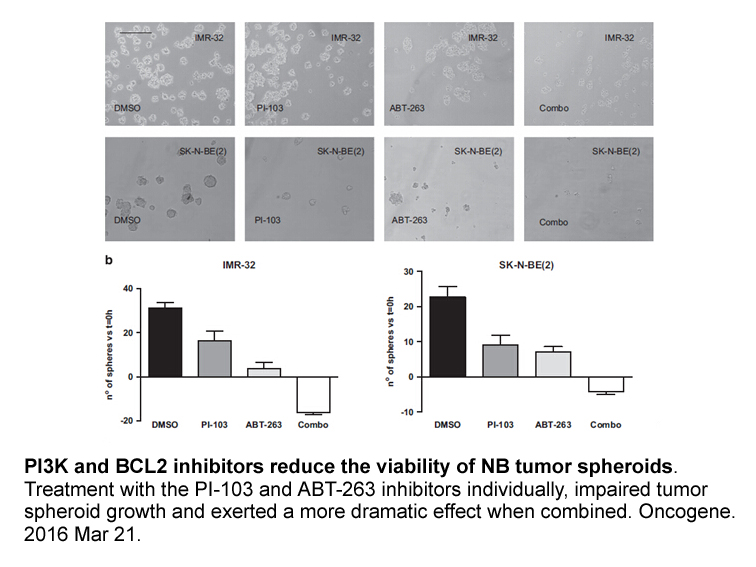
Perspectives Given the complexity of the cellular interactome and of protein scaffolding, further progress in revealing how individual membrane proteins, including APP and AChE, interact with each other at various levels, from cell-surface shedding to gene regulation, will clarify some intrinsic
The gene SRD A encodes the reductase enzyme which converts
2024-09-21
The gene SRD5A2 encodes the 5-α-reductase enzyme, which converts testosterone into dihydrotestosterone. Although dihydrotestosterone levels are considerably lower than testosterone, dihydrotestosterone has a five-fold stronger binding capacity to the androgen receptor and, thereby, a considerably mo
8529 records 119/569 page Previous Next First page 上5页 116117118119120 下5页 Last page